
The Strategic Role of Sports Infrastructure in Thailand’s Real Estate Market
In Thailand, the integration of sports facilities into real estate developments is not just a trend; it represents a strategic pivot that reflects changing consumer preferences and market dynamics. As urbanization accelerates, the demand for lifestyle-oriented living spaces is surging. Thailand’s real estate market is experiencing steady growth, with sports-integrated developments emerging as a key trend (CBRE Property Thailand, 2025). This shift is driven by a growing awareness of health and wellness, as well as an increasing desire for community engagement.
Mixed-use projects that incorporate sports amenities are particularly appealing, commanding 15-20% higher valuations in comparable markets like Singapore (PwC & Urban Land Institute, 2025). This statistic underscores the financial viability of developing properties that prioritize active lifestyles, signaling to investors that the future of real estate may well be intertwined with the world of sports.
Case Studies – Sports Facilities Boosting Property Demand
Bangkok’s Mixed-Use Developments
In Bangkok, the trend of integrating sports facilities within mixed-use developments is gaining traction. Projects featuring padel courts, fitness hubs, and stadiums have shown remarkable outcomes, with surrounding areas witnessing a 25% increase in retail occupancy (Forbes, 2025). The PARQ in Bangkok serves as a prime example of this phenomenon. This innovative development incorporates a rooftop running track, which has not only enhanced the lifestyle offerings for residents but also led to an 18% increase in residential leasing. The success of The PARQ illustrates how thoughtful integration of sports facilities can create a vibrant community atmosphere, ultimately driving up property values and occupancy rates.
Regional Expansion (Phuket, Chiang Mai)
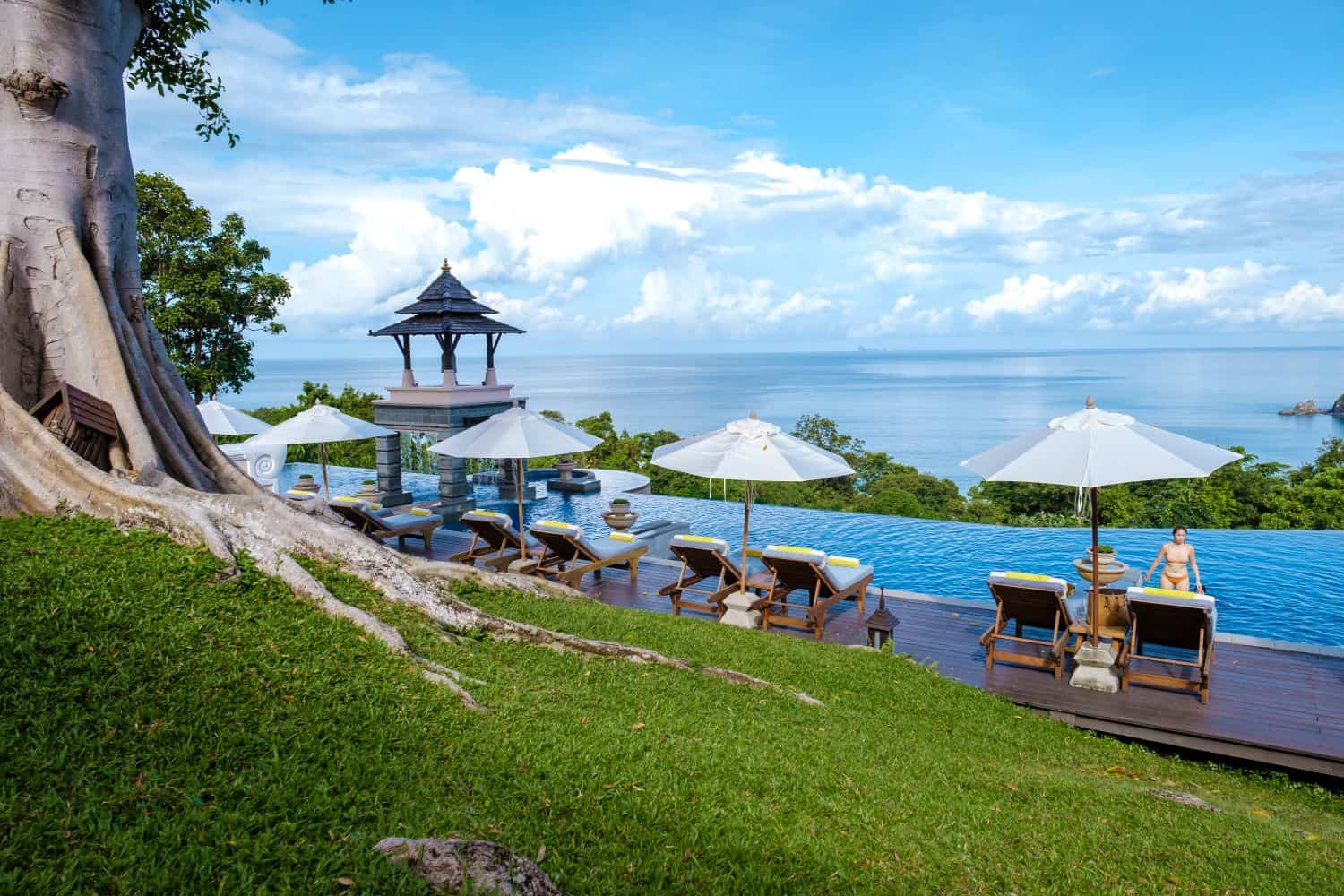
Beyond Bangkok, other regions such as Phuket and Chiang Mai are also witnessing a surge in resort-style properties that feature sports amenities like golf academies and tennis centers. These developments are attracting 30% faster lease-ups in tourist zones, showcasing the demand for properties that cater to both local residents and international visitors seeking active lifestyles (Forbes Business Council, 2025). The allure of these amenities is particularly strong in tourist areas, where leisure and recreation are paramount. As more developers recognize this trend, we can expect a reimagining of traditional resort offerings, blending luxury with health-focused amenities.
Economic and Policy Drivers
Government Incentives
Government incentives play a crucial role in the growth of sports-centric real estate. Thailand offers tax breaks for developers who incorporate sports facilities—such as yoga studios and swimming pools—into their projects (Toxigon, 2025). These incentives not only encourage investment in community health but also signal a long-term vision for urban development that prioritizes active living. The government’s commitment to promoting wellness through infrastructure reflects a broader societal shift towards healthier lifestyles.
Public-Private Partnerships (PPP)
Collaborations between Thai developers and international sports brands are also enhancing project credibility and market appeal. For instance, the establishment of FC Barcelona’s training academy in Bangkok exemplifies how public-private partnerships can elevate a development’s profile. Such collaborations not only provide residents with access to world-class training facilities but also position the project as a leading destination for sports enthusiasts. This fusion of local knowledge and international expertise can lead to innovative developments that resonate with both domestic and foreign investors.
Challenges and Future Outlook
Land-Use Constraints in Urban Areas
Despite the positive outlook for sports facilities in real estate, challenges remain. High land costs in urban areas like Bangkok limit the feasibility of large-scale sports infrastructure (CBRE Thailand, 2025). Developers must navigate complex zoning laws and land-use regulations, which can hinder the successful implementation of sports amenities. This challenge underscores the importance of strategic planning and community engagement in the development process, ensuring that projects align with both market demands and local regulations.
2025–2030 Growth Projections
Looking ahead, the period from 2025 to 2030 is poised to be transformative for sports-centric properties in Thailand. Youth demographics and rising health awareness are expected to fuel demand for these developments (Asia Property Awards, 2025). As younger generations prioritize health and wellness in their lifestyle choices, the appeal of properties that offer integrated sports facilities will only increase. Developers who can anticipate and meet this demand will likely find themselves at the forefront of Thailand’s evolving real estate landscape.