
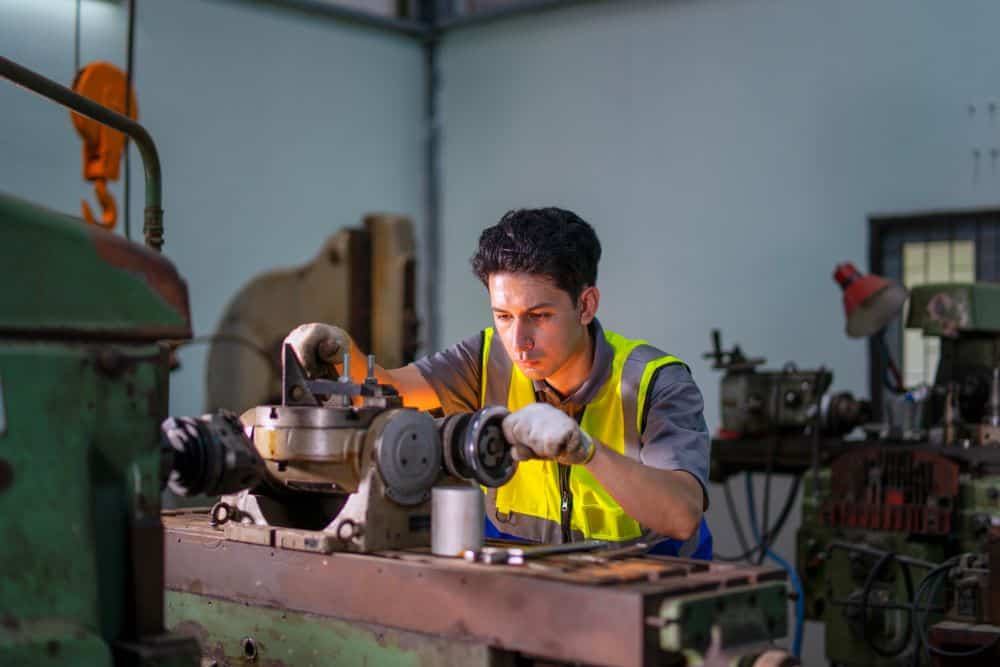
If you’re curious about precision machining in Vietnam, you’re in the right place. This detailed guide will walk you through the ins and outs of the industry, covering everything from its current world to future opportunities. With Vietnam emerging as a key player in global manufacturing, understanding this sector can provide valuable insights if you’re looking to investigate into the market or enhance your operations. Let’s jump into the specifics, starting with what precision machining is all about and what it means for the industry.
Overview of Precision Machining
Precision machining is a manufacturing process where parts are machined to exact specifications, ensuring high levels of accuracy and quality. This involves using computer numerical control (CNC) machines, which operate with exceptional precision to create intricate parts across various materials like metals, plastics, and composites. In simple terms, it’s the art of turning raw materials into finely crafted components necessary for numerous applications, ranging from aerospace to automotive, and beyond.
The Precision Machining Industry in Vietnam
Vietnam’s precision machining industry is vibrant and rapidly expanding, making it a focal point for businesses seeking high-quality manufacturing solutions. Over the last decade, the country has become increasingly attractive due to a combination of affordable labour costs, a skilled workforce, and strategic geographical positioning in Southeast Asia. Many foreign companies, particularly from Japan, Korea, and the US, have invested significantly in manufacturing facilities here, establishing a solid foundation for a robust supply chain.
Technological Advancements in Vietnam’s Precision Machining
Technological advancements play a crucial role in the growth of Vietnam’s precision machining sector. The introduction of modern CNC machines and automation technology has elevated precision and efficiency. Besides, the industry has embraced Industry 4.0 technologies, integrating IoT (Internet of Things) solutions into manufacturing processes. This shift not only boosts productivity but also enhances quality control, leading to reduced waste and improved turnaround times. You might be surprised to learn that many local manufacturers are now adopting these high-tech solutions, which positions Vietnam as a competitive player on the global stage.
Key Industries Benefiting from Precision Machining
Several key industries are benefitting significantly from precision machining in Vietnam. The automotive sector is perhaps the most prominent, where precision-engineered components are vital for vehicle performance and safety. Beyond automotive, sectors like aerospace, electronics, and telecommunications rely heavily on precision machining for creating intricate and high-quality parts. The medical device industry is also a noteworthy mention, as exact specifications and quality are critical in manufacturing devices that adhere to stringent safety standards. If you’re considering partnerships or investments, these sectors present lucrative opportunities.
Challenges Facing the Precision Machining Sector
Even though its impressive growth, Vietnam’s precision machining sector faces several challenges. One major hurdle is the increasing competition from other Southeast Asian countries, such as Thailand and Malaysia. These countries are also evolving their manufacturing capabilities and may draw some potential clients away. Also, while Vietnam has a skilled workforce, there remains a gap in highly specialized talent, especially in cutting-edge technologies like 5-axis machining and robotics. Employers often find it difficult to recruit workers with the exact skills needed for advanced precision tasks.
Future Trends and Opportunities
Looking to the future, Vietnam’s precision machining sector is poised for exciting growth. The ongoing trend of outsourcing manufacturing processes from higher-cost countries to Vietnam is expected to continue. This trend not only provides opportunities for local manufacturers but also for you as a potential investor or partner. Also, the rise of green manufacturing practices is beginning to shape the industry, with a push towards sustainable materials and eco-friendly processes. Embracing these trends will not only enhance productivity but also align with global sustainability goals, making your operations more appealing to environmentally-conscious partners.
Conclusion
Summarizing, precision machining vietnam presents a wealth of opportunities for both local and foreign businesses. With its strategic advantages, technological advancements, and the expanding base of key industries relying on precision machining vietnam, it’s an exciting sector to watch. Though there are challenges, the outlook remains positive, especially for those willing to innovate and adapt to new trends. Whether you’re looking to invest, partner, or simply learn more, now is the time to dive deeply into the remarkable world of precision machining vietnam.